Recent Articles
28th May 2025 | Posted by: Sugunavel

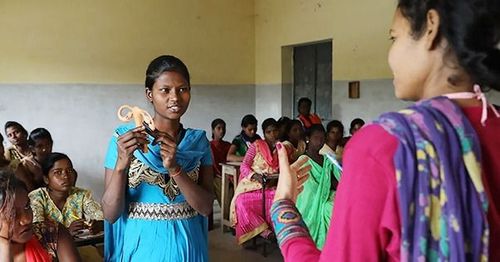
Every year on May 28, the world comes together to recognize the International Day of Action for Women’s Health, a day that doubles as Menstrual Hygiene Day. It is a powerful reminder that women’s health—especially menstrual health—is a fundamental human right and not a privilege. Yet for millions of girls, women, and people who menstruate, this natural bodily function remains shrouded in stigma, shame, and silence.

The date is symbolic: May (the 5th month) represents the average 5-day duration of menstruation. And the 28th? That’s the average number of days in a menstrual cycle. Together, the numbers remind us of the rhythm of a cycle that half the world experiences for a significant portion of their lives.
Despite decades of progress in gender equality and healthcare, many menstruators still deal with shame, discomfort, and even danger because of it. Here’s a quick reality check:
And all of this doesn’t just affect hygiene—it affects education, economic participation, mental health, and overall wellbeing.
Menstrual health intersects with broader issues of reproductive rights, bodily autonomy, and gender equality. Poor menstrual hygiene can lead to infections, reproductive tract issues, and missed opportunities in school or work. This is not just a women’s issue—it’s a societal issue. Ensuring safe, hygienic, and stigma-free menstruation is essential to achieving gender equity and empowering communities.
Discover how AVIT is different. The college stands out with hands-on learning, industry mentors, and future-ready tech. The B.E. CSE (Cyber Security) programme at AVIT is offered in collaboration with global tech giants like Intel, NEC, HCLTech, and XTIC of IIT Madras.
Here’s how we move forward, together:
Menstrual Hygiene Day isn’t just about periods—it’s about dignity, equity, health, and respect. It’s a reminder that everyone deserves to manage their menstruation safely, with confidence, and without shame.
Let’s use this day as more than just a commemoration—let’s make it a commitment. Because a healthy period should be a reality for everyone, everywhere. It should be a right, not a privilege.
By:
Mrs. Subathra M,
Assistant Professor,
Department of Department of Biotechnology,
Aarupadai Veedu Institute of Technology (AVIT),
Vinayaka Mission’s Research Foundation (Deemed to be University),
Chennai