



Department of Biomedical Engineering
Medical Devices, Medical Imaging, Medical Robotics, and Bio-MEMS- industry-grade labs, hospital training, and strong placement outcomes
DEPARTMENT OVERVIEW
Engineering Healthcare for a Future-Ready World
Established in 2008, the Department of Biomedical Engineering at AVIT offers a four-year programme focused on cutting-edge fields like medical robotics, bio-MEMS, and sensor-based diagnostics, blending engineering with medicine to develop life-saving healthcare technologies.
Recognised among the top biomedical engineering colleges in Tamil Nadu and Chennai, the department combines academic excellence with hands-on hospital training, industry exposure, and global collaborations, delivering a future-ready curriculum that opens careers in healthcare, R&D, and medical technology.


THE AVIT ADVANTAGE
What Makes Biomedical Engineering at AVIT Different?

Industry-Aligned Specialization Pathways
Go beyond traditional engineering with specialized pathways in Medical Devices & Instrumentation, Medical Imaging, Biomechanics, Biomaterials, Medical Robotics, Bio-MEMS, Sensor-based Diagnostics, Rehabilitation Engineering, and Healthcare IoT, aligned with future healthcare careers.

Industry-Integrated Learning Ecosystem
Learn through internships, industry projects, expert sessions, certifications, hackathons, and real-world problem-solving experiences supported by leading medical device, healthcare, and medtech industry partners.
Advanced Technology Labs
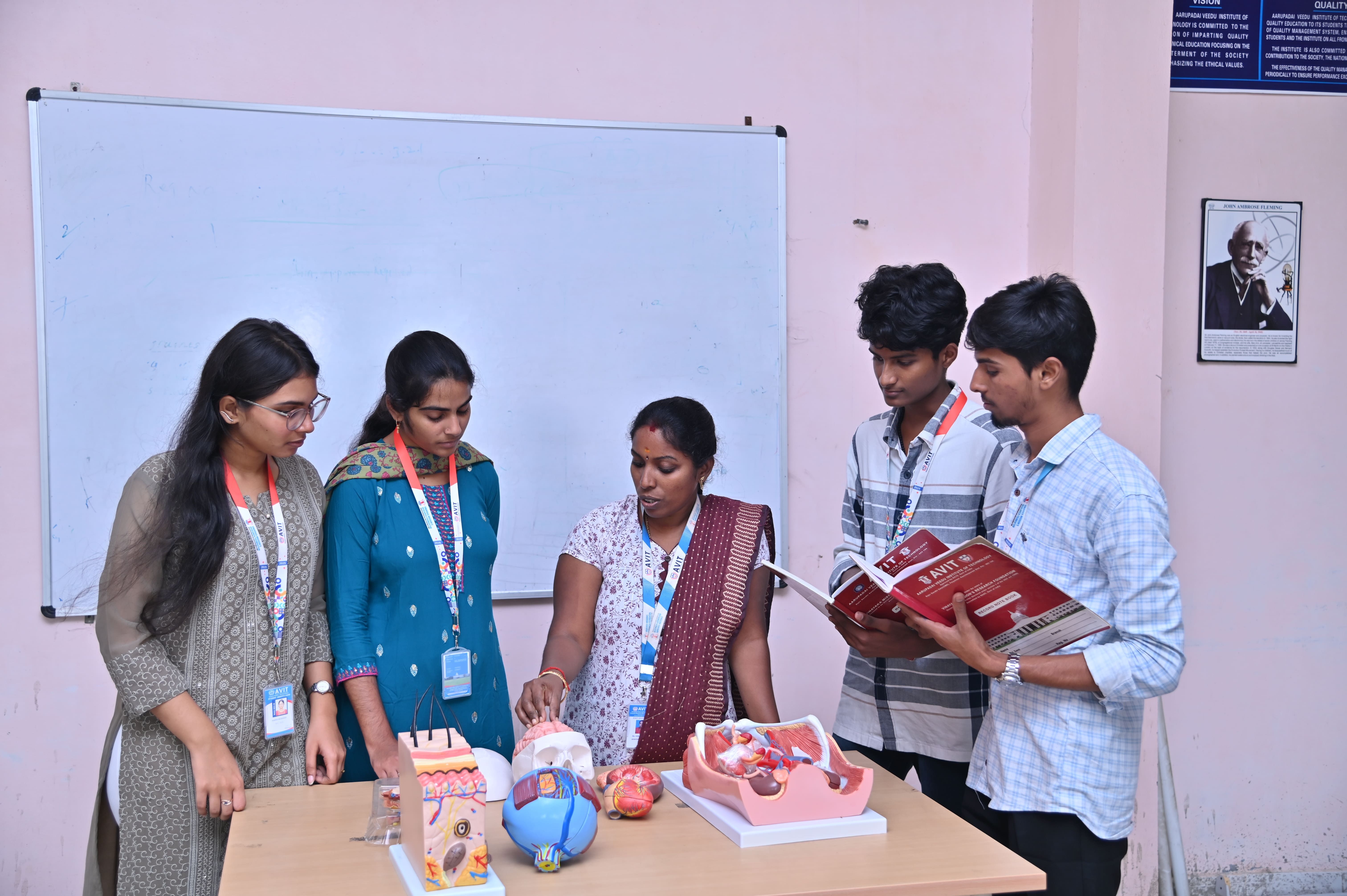
Gain hands-on experience in the Medical Instrumentation Lab, Biomedical Signal Processing Lab, Medical Imaging Lab, Biomaterials Lab, Rehabilitation Engineering Lab, Biosensors Lab, and Bio-MEMS Lab, supported by clinical hospital training.

Research, Patents & Innovation Culture
Students actively participate in research projects, publications, patent development, innovation challenges, startup initiatives, and national-level competitions in medical technology and healthcare.
Honors, Minors & Specialization Opportunities
Enhance your profile through Honors Degrees, Minor Degrees, and Emerging Technology Specializations, enabling multidisciplinary learning and career flexibility.

Career-Focused Curriculum
A curriculum designed around industry demands, combining technical expertise, professional skills, certifications, project-based learning, and career readiness.

Hackathons & Competitive Learning
Regular participation in national and international hackathons, innovation challenges, and technology competitions fosters creativity and practical problem-solving.

Future-Ready Career Outcomes
Graduate prepared for careers in Medical Devices, Medical Imaging, Clinical Engineering, Healthcare Technology, Rehabilitation Engineering, Research, Product Development, and Entrepreneurship.

Strong Mentorship & Student Support
Learn from experienced faculty, industry mentors, researchers, and innovators committed to guiding students toward academic and professional success.
 PROGRAMMES OFFERED
Start Your Learning Journey
B.E. BME
 4 Years
4 Years
B.E. Biomedical Engineering
Regular – 4 Years
Build strong foundations in medical instrumentation, biomedical signal processing, medical imaging, biomaterials, medical robotics, and healthcare technologies with industry-integrated learning and hospital training.
Career Paths
Biomedical Engineer | Clinical Engineer | Medical Device Design Engineer | Healthcare Technology Manager
B.E. BME
3 Years
3 Years
B.E. Biomedical Engineering
Lateral Entry – 3 Years
A 3-year pathway for diploma holders entering directly into the second year, covering medical instrumentation, biomedical signal processing, medical imaging, biomaterials, and medical robotics with industry-integrated learning.
Career Paths
Biomedical Engineer | Clinical Engineer | Medical Device Design Engineer | Healthcare Technology Manager
Ph.D. BME
3–5 Years
3–5 Years
Full Time
Engage in full-time advanced research in cutting-edge domains including medical devices, medical imaging, medical robotics, bio-MEMS, biomaterials, rehabilitation engineering, and emerging healthcare technologies under expert faculty guidance.
Career Paths
Research Scientist | Professor & Academic Faculty | Senior R&D Engineer | Innovation Specialist | Post-Doctoral Researcher
Ph.D. BME
External / Internal
External / Internal
Part Time
Pursue doctoral research alongside professional or academic commitments through external and internal research tracks, available for industry practitioners and academic professionals.
Career Paths
Industry Research Scientist | Senior Technical Expert | Academic Faculty | R&D Specialist | Innovation Leader

CAREER OPPORTUNITIES
Where Will Your Degree Take You?
A degree in Biomedical Engineering from AVIT opens doors across medical devices, healthcare technology, medical imaging, clinical engineering, rehabilitation, and medtech industries worldwide.
With strong foundations in medical instrumentation, biomedical signal processing, biomaterials, and industry-integrated learning, graduates can pursue opportunities across multiple healthcare and medical technology sectors.
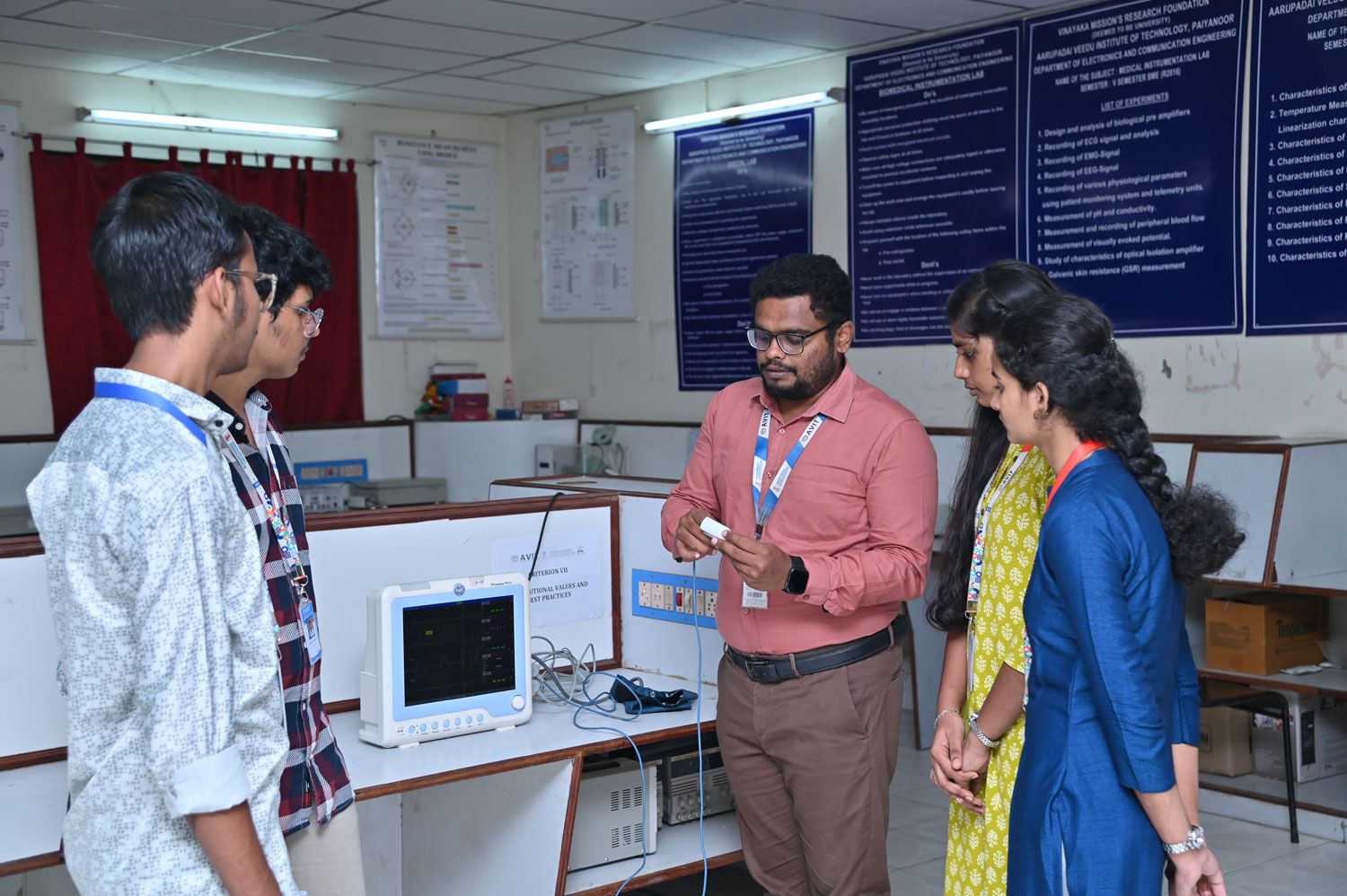
Biomedical Engineer
Designs, develops, and maintains medical equipment and devices that improve patient care and healthcare delivery.

Clinical Engineer
Manages and optimises medical technology within hospitals, ensuring safe and effective use of clinical equipment.
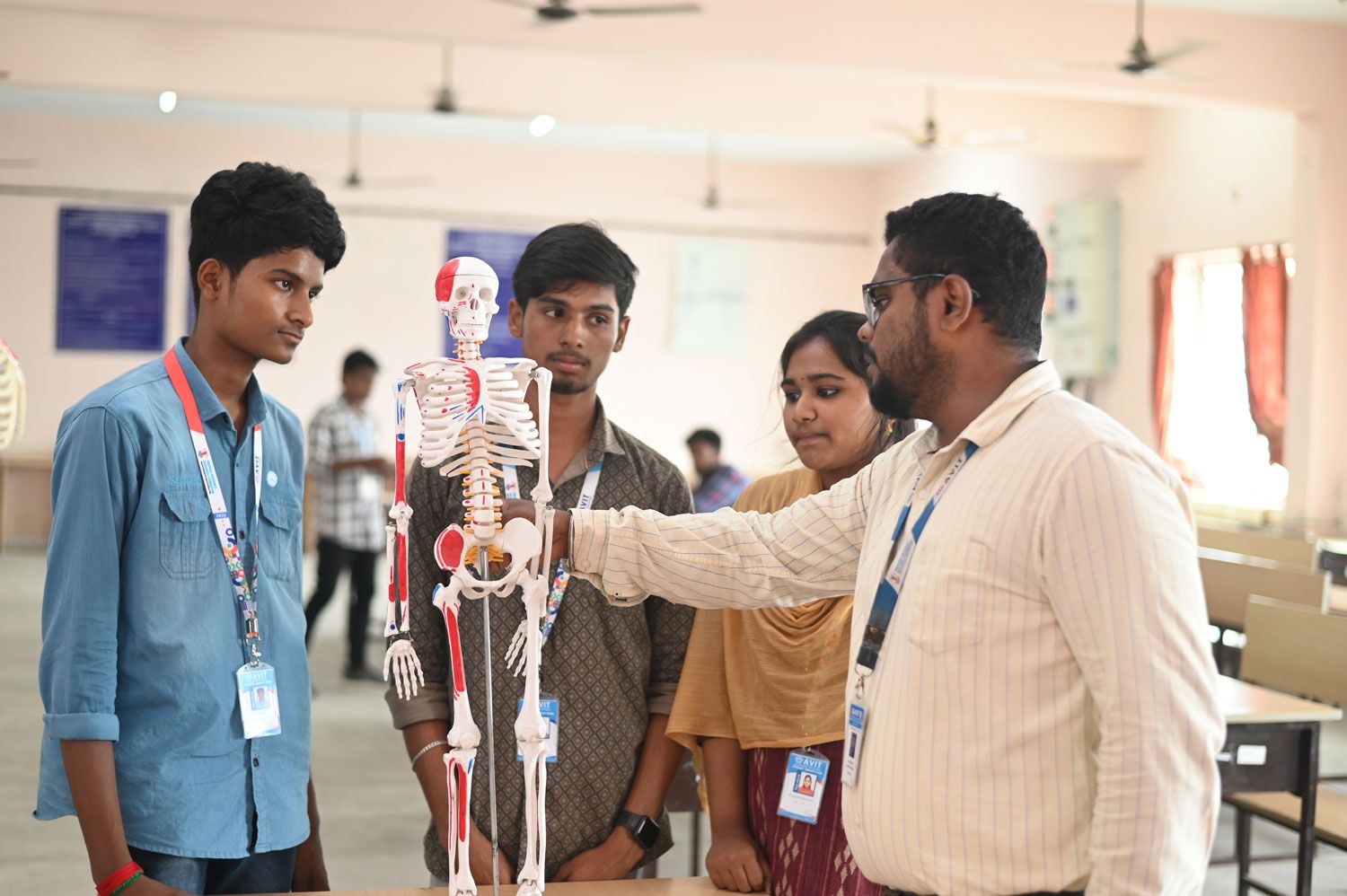
Medical Device Design Engineer
Designs and prototypes innovative medical devices and instrumentation for diagnostics, therapy, and monitoring.

Healthcare Technology Manager
Oversees the planning, procurement, and lifecycle management of healthcare technology and medical systems.

R&D Engineer (Medical Devices)
Develops next-generation medical robotics, bio-MEMS, and sensor-based diagnostic technologies for healthcare innovation.
Career Opportunities across Leading Global Companies










RESEARCH & INNOVATION
Advancing Knowledge Through Research and Development
Students and faculty actively engage in applied research, medical technology development, healthcare engineering, and industry-focused innovation.
Research Areas
Medical Devices, Medical Imaging, Medical Robotics, Bio-MEMS, Biomaterials, and Healthcare IoT- applied research aligned with industry and national healthcare priorities.
Explore

Publications & Patents
Faculty and students publish in leading journals and file patents in medical devices, biomedical signal processing, and healthcare technologies.
Explore

Collaborations
Partnerships with leading hospitals, medical device industries, and institutions through MoUs, joint labs, and clinical training collaborations.
Explore
Seed Funding
Platform to nurture early-stage research and innovation with mentorship, prototyping support, and incubation pathways.
Explore
Research Grants
Funded research projects supporting impactful research in medical devices, healthcare technology, and biomedical innovation for faculty and students.
Explore

Research Facilities
Medical Instrumentation Lab, Biomedical Signal Processing Lab, Medical Imaging Lab, Bio-MEMS Lab, and industry-grade facilities that foster discovery and academic excellence.
Explore
ACHIEVEMENTS
Recognising Innovation and Excellence
Our faculty and students drive impactful research, file patents, and earn national recognition in medical devices, healthcare technology, and biomedical innovation.
From funded research projects to award-winning faculty, the department continues to build a strong culture of discovery, innovation, and real-world healthcare impact.
-
Research Publications & Patents
Faculty and students have published 35+ research papers and filed patents in medical devices, biomedical signal processing, and healthcare technologies.
-
DRDO Research Grant
Secured competitive DRDO research funding supporting biomedical innovation and medical device development.
-
National Recognition & Awards
Faculty honoured with awards including the Best Woman Achiever Award, with active contributions to national initiatives such as Unnat Bharat Abhiyan.


PLACEMENT HIGHLIGHTS
Career Opportunities with Leading Core, Product & Service Companies
AVIT Biomedical Engineering graduates build successful careers with leading medical device, healthcare, and medtech companies as well as global technology and service organizations through industry-focused learning, hospital training, internships, career readiness training, and strong placement support.
100+
Recruiting Companies
Leading national and multinational organizations participate in campus recruitment, offering opportunities across medical devices, medical imaging, healthcare technology, clinical engineering, and emerging medtech technologies.Core & Product Recruiters
Medical Devices & Healthcare Innovators
Build cutting-edge medical devices, healthcare technology, and diagnostic solutions with some of the world's most innovative medtech companies.Featured Recruiters: GE Healthcare, Philips Healthcare, Siemens Healthineers, Medtronic, AMTZ, Trivitron Healthcare and more.
Service-Based Recruiters
Global Technology & Consulting Leaders
Work on enterprise-scale projects, digital transformation initiatives, healthcare IT solutions, consulting, and technology solutions for global clients.Featured Recruiters: Infosys, TCS, Cognizant, Accenture, HCLTech, Hexaware and more.
Top Recruiters
 Hexaware
 Q Spider
 GK Enterprises
Palle Technologies
 Sutherland
 Infinite
 DeltaX
 Amazon
Getstamp
Trivitron Healthcare
BPL Medical
Top Career Outcomes
Biomedical Engineer | Clinical Engineer | Medical Device Design Engineer | Biomedical Equipment Technologist | Healthcare Technology Manager | R&D Engineer (Medical Devices) | Quality/Regulatory Affairs Engineer | Rehabilitation Engineer | Application Specialist | Research Engineer | Entrepreneur
Placement Preparation & Career Readiness
Career Development Training
Structured training in aptitude, technical concepts, communication, quantitative reasoning, and problem-solving to prepare students for recruitment processes.
Mock Interviews & Assessments
Practice technical interviews, HR interviews, technical assessments, and group discussions through simulated recruitment activities.
Resume & Professional Branding
Build industry-ready resumes, portfolios, LinkedIn profiles, project portfolios, and professional digital identities.
CLUBS & ORGANIZATIONS
Join vibrant clubs to explore passions and build leadership
Our student-led clubs provide opportunities to develop technical expertise, leadership skills, innovation mindset, teamwork, and industry exposure beyond the classroom.
Learn. Lead. Inspire.
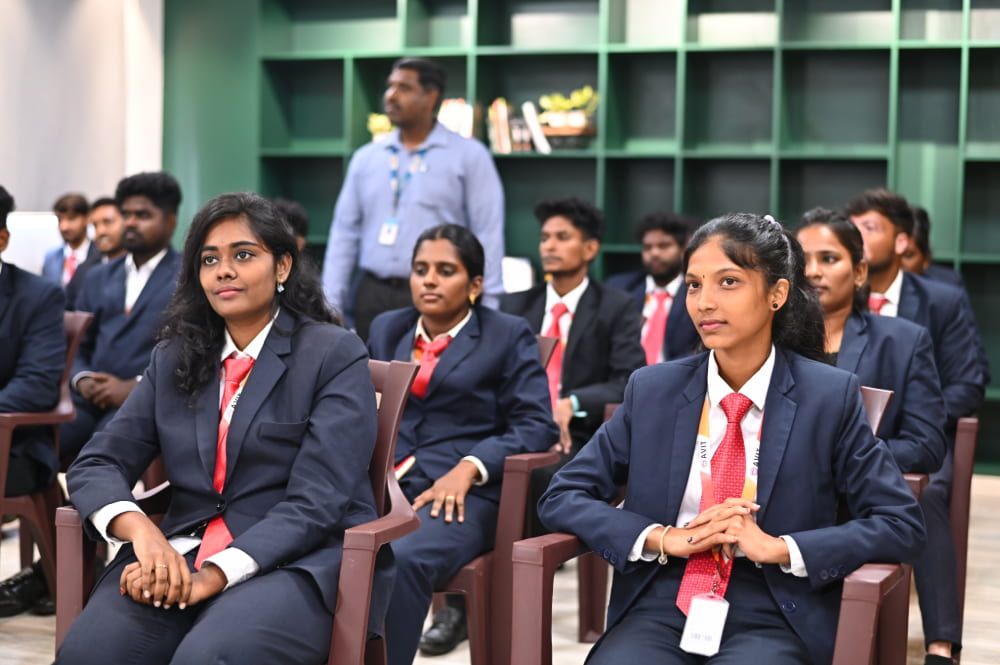
AI & Machine Learning Club
Explore the latest in AI, ML, and data science through workshops, coding challenges, and collaborative projects.
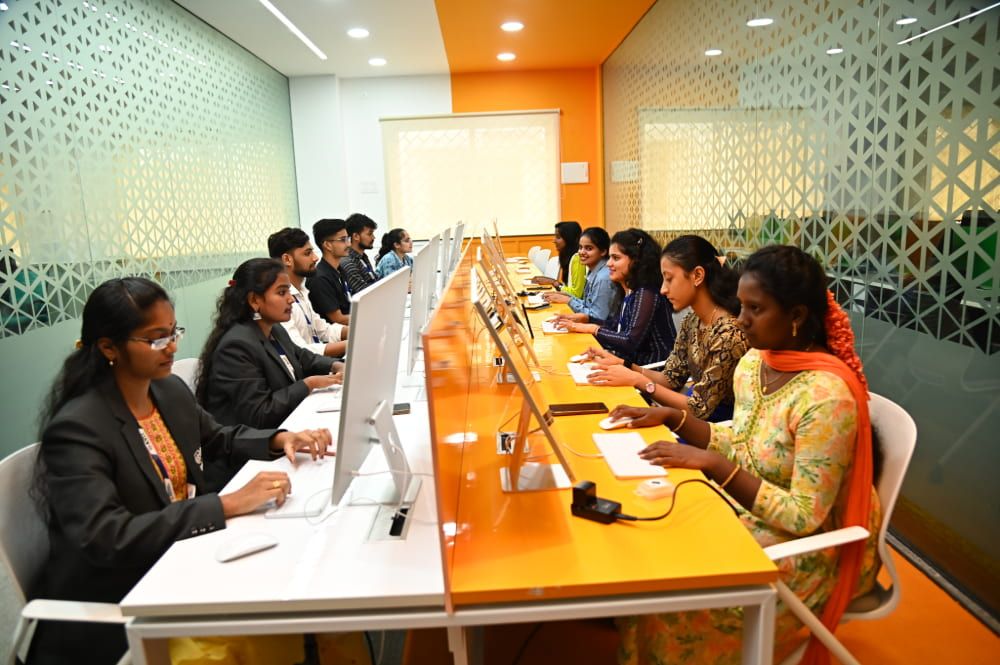
Coding Club
Sharpen your programming skills with peer-led coding sessions, hackathons, and competitions.
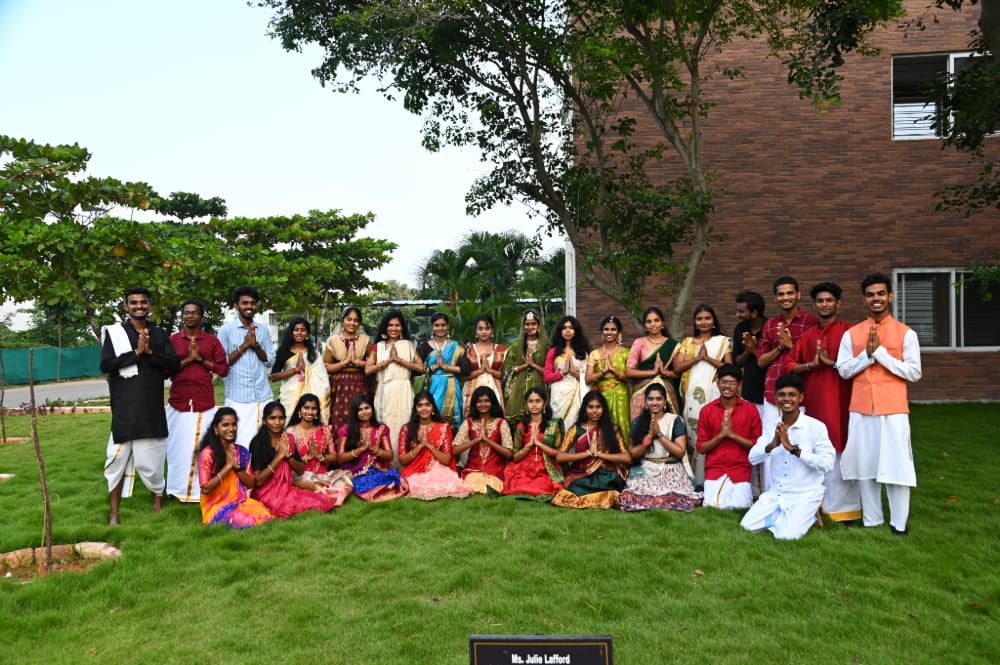
Innovation Cell
Turn your tech ideas into reality! IEC empowers students with mentorship, start-up guidance, and opportunities.
FACULTY & LEADERSHIP
Our Faculty Team & Department Leadership
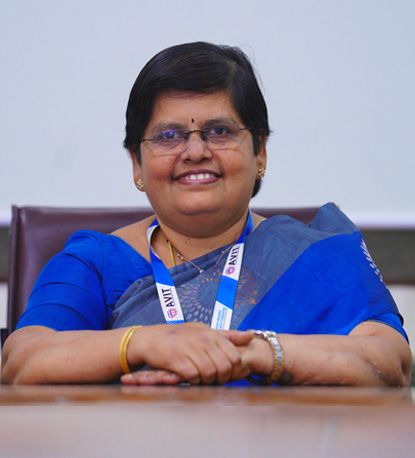
Head of Department
Dr. L.K. Hema
Professor and Head
Dr. L.K. Hema is a seasoned engineering academic with 29 years of experience in teaching, training, and multidisciplinary research, holding a Ph.D. in Wireless Sensor Networks with expertise in VLSI Design, Hardware Security, and Biomedical Devices. She has published over 35 research papers, authored two books, and filed several patents.

NEWS & EVENTS
Campus Pulse
Stay updated with the latest happenings, achievements and activities across AVIT.
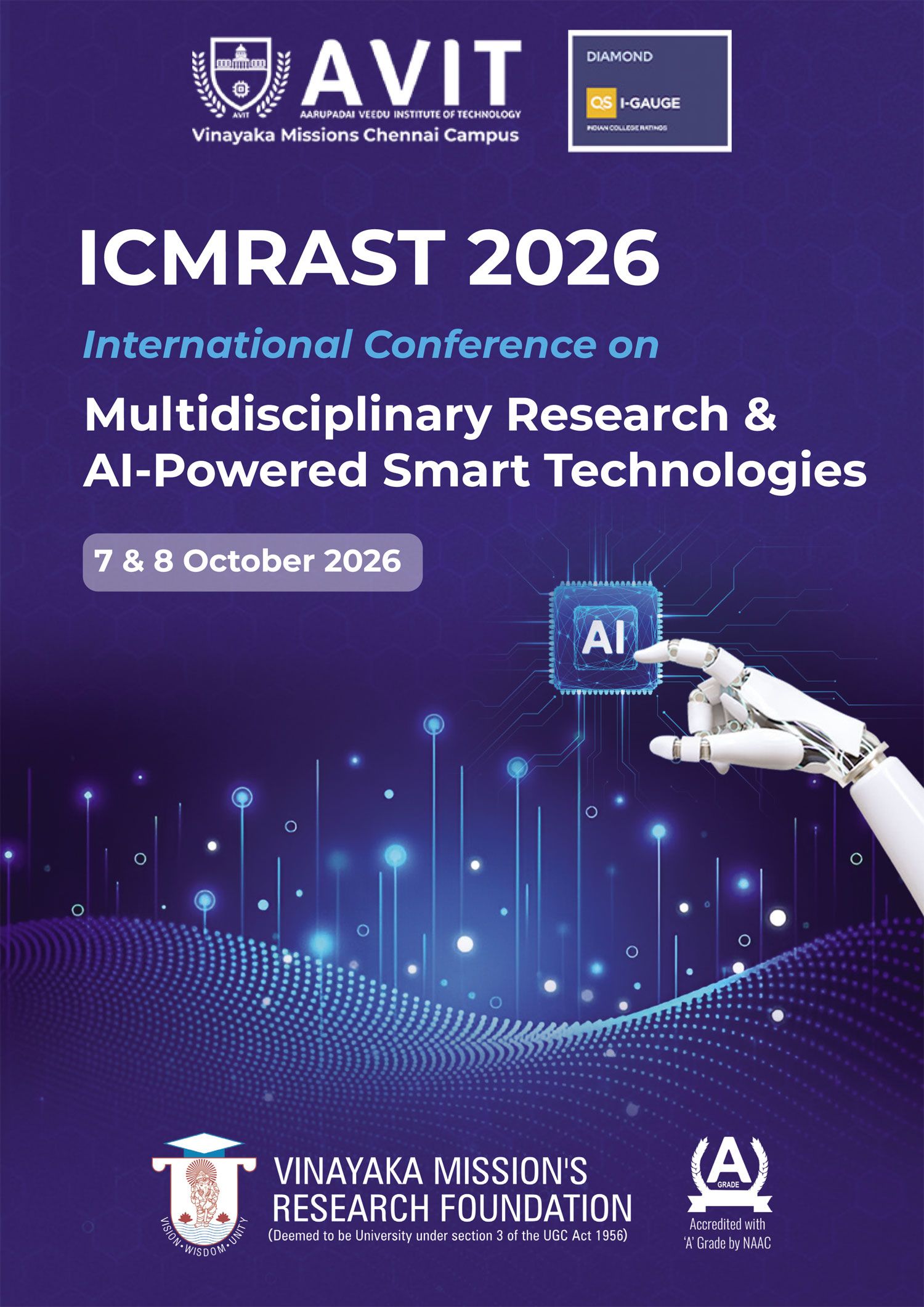
ICMRAST 2026 - International Conference on 7th & 8th October 2026
7th October 2026
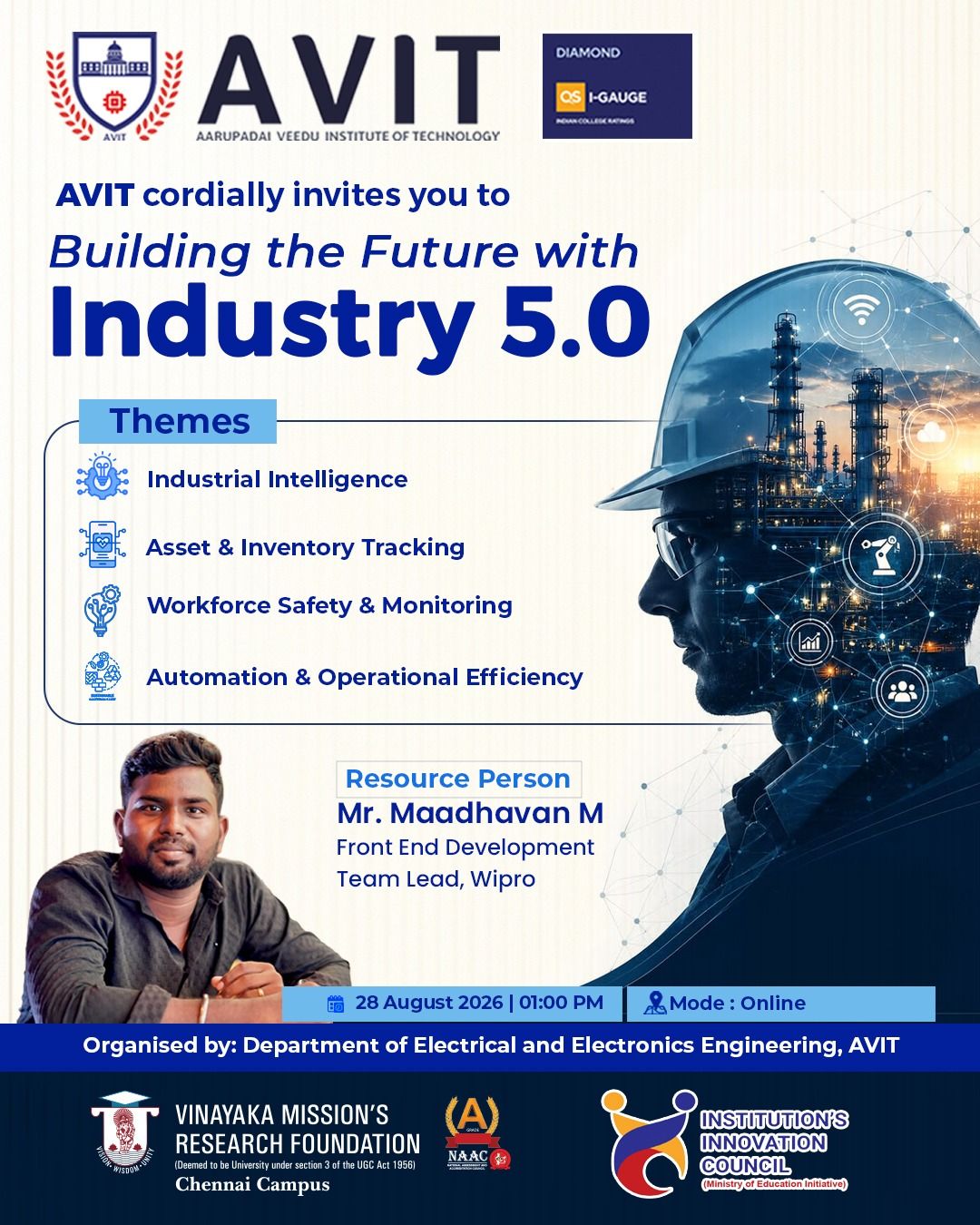
Building the Future with Industry 5.0
28th August 2026
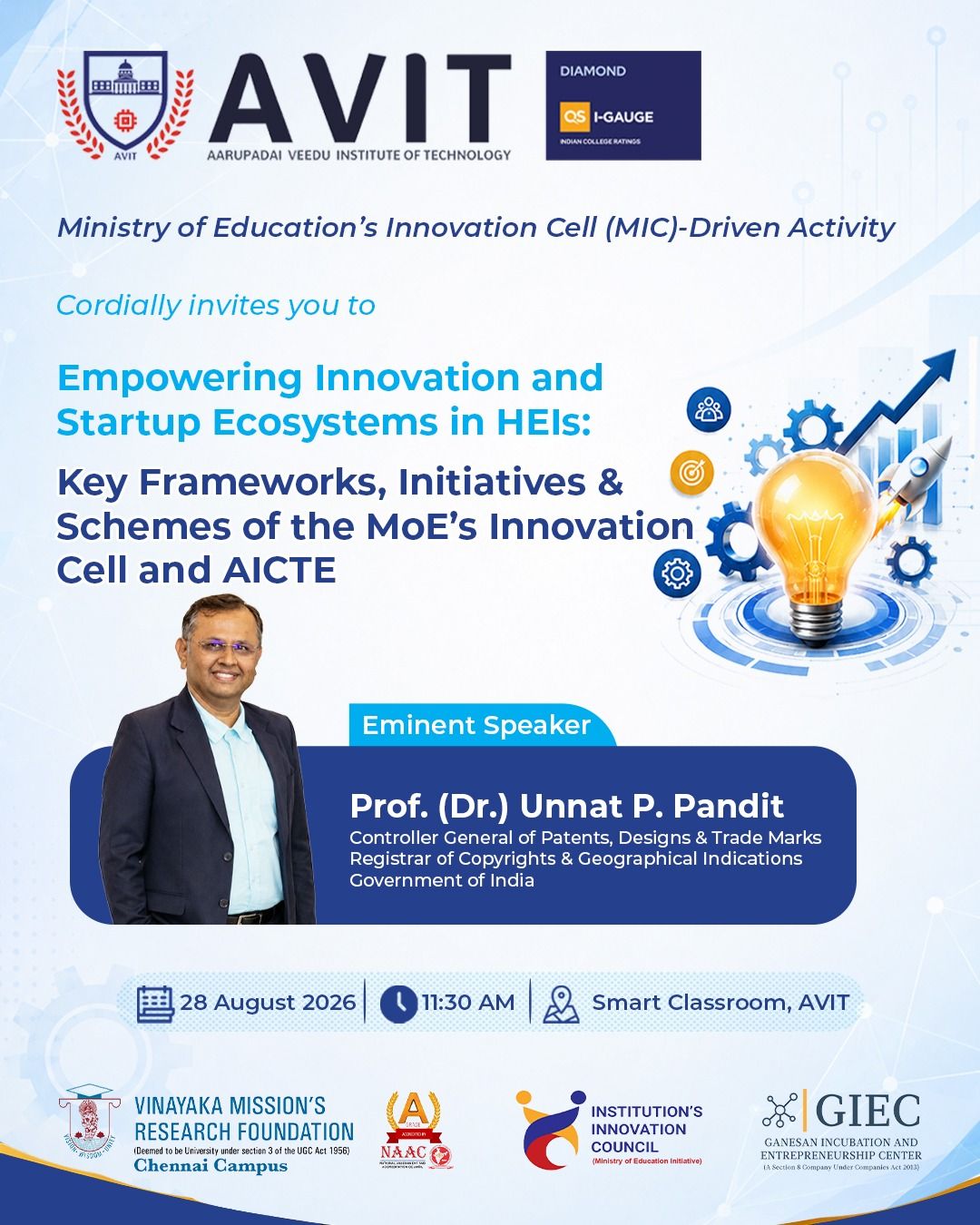
Key Frameworks, Initiatives & Schemes of the MoE's Innovation Cell and AICTE
28th August 2026

Tomb Raider - Screening English
27th August 2026
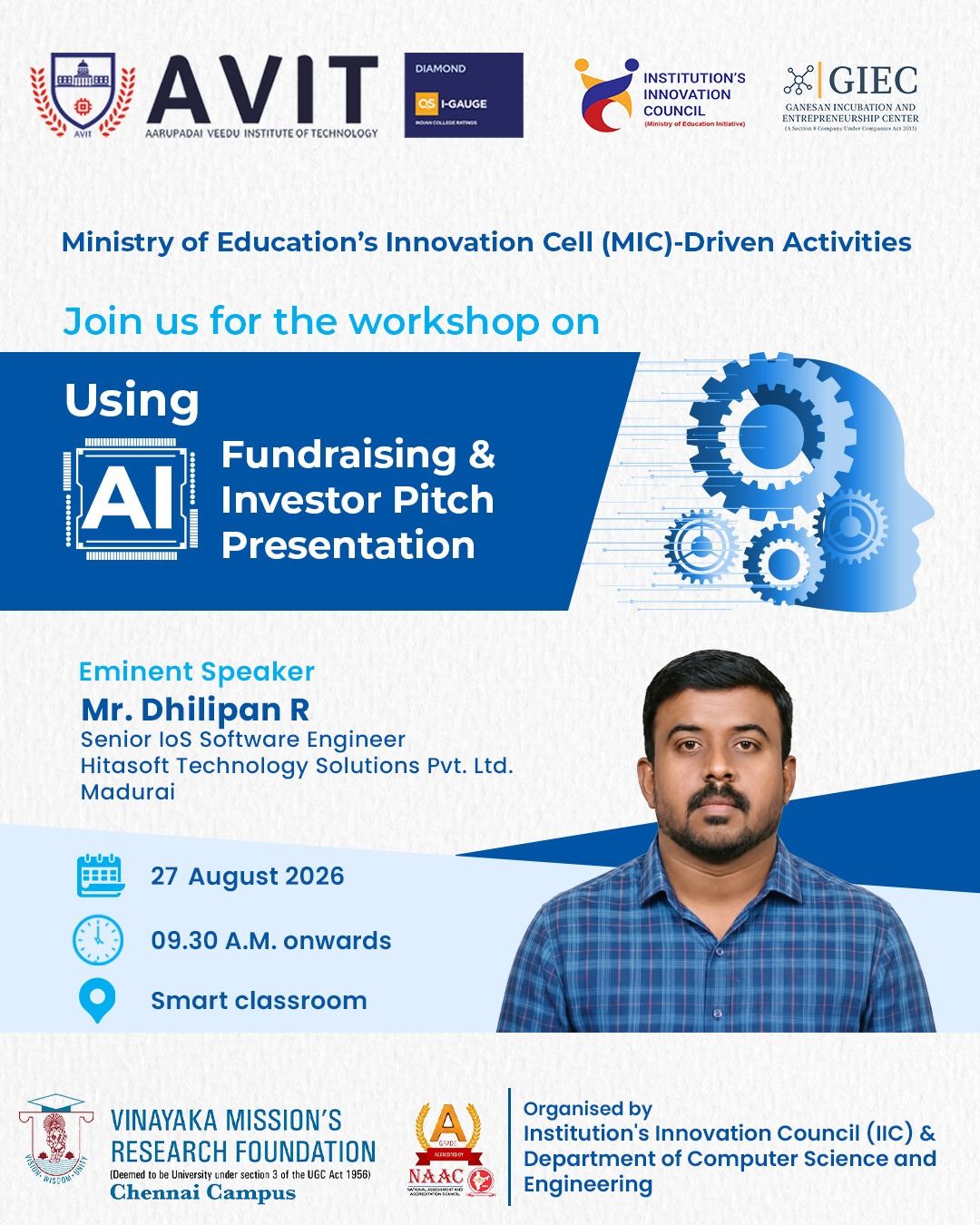
Workshop on Using AI Fundraising & Investor Pitch Presentation
27th August 2026
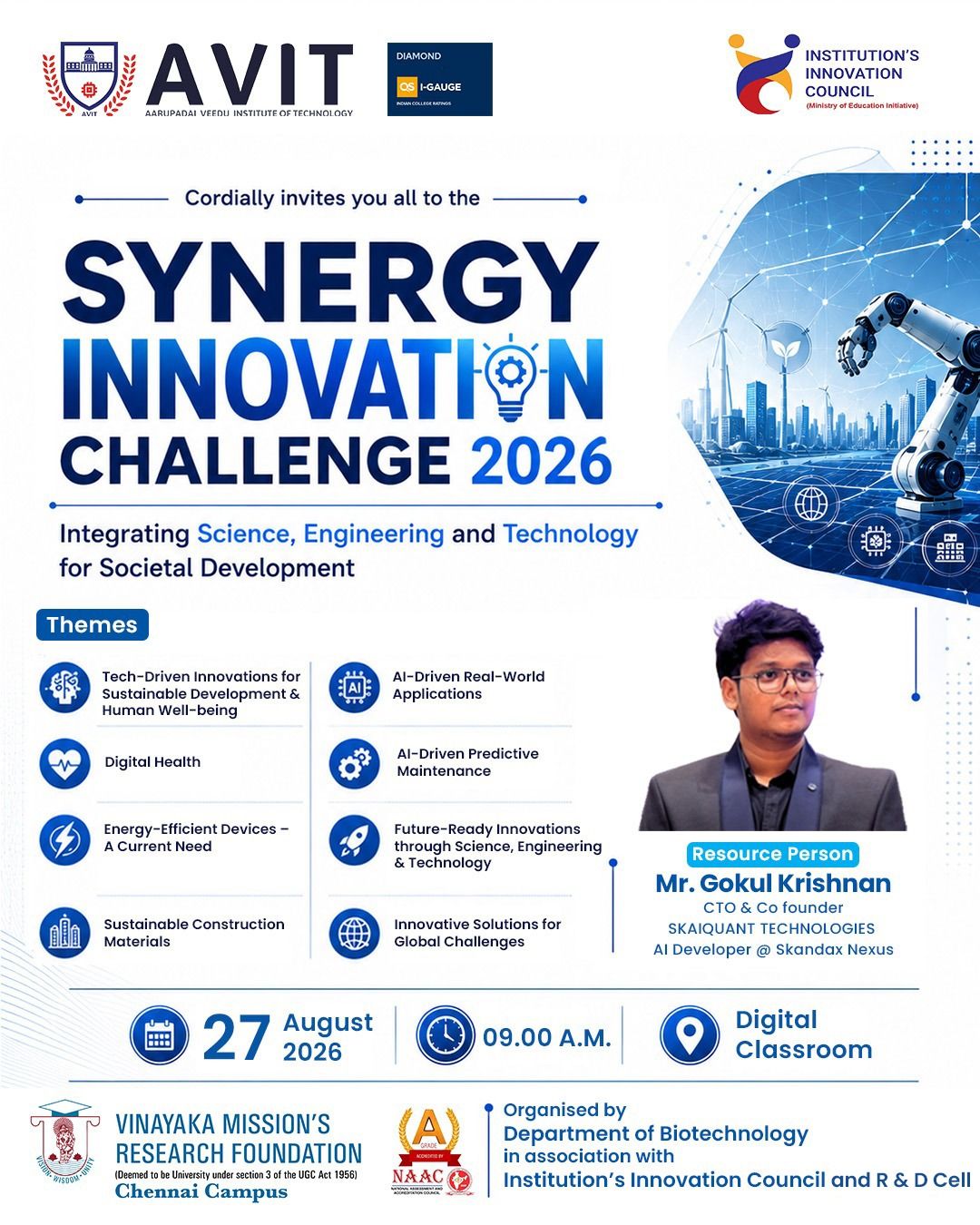
Synergy Innovation Challenge 2026
27th August 2026
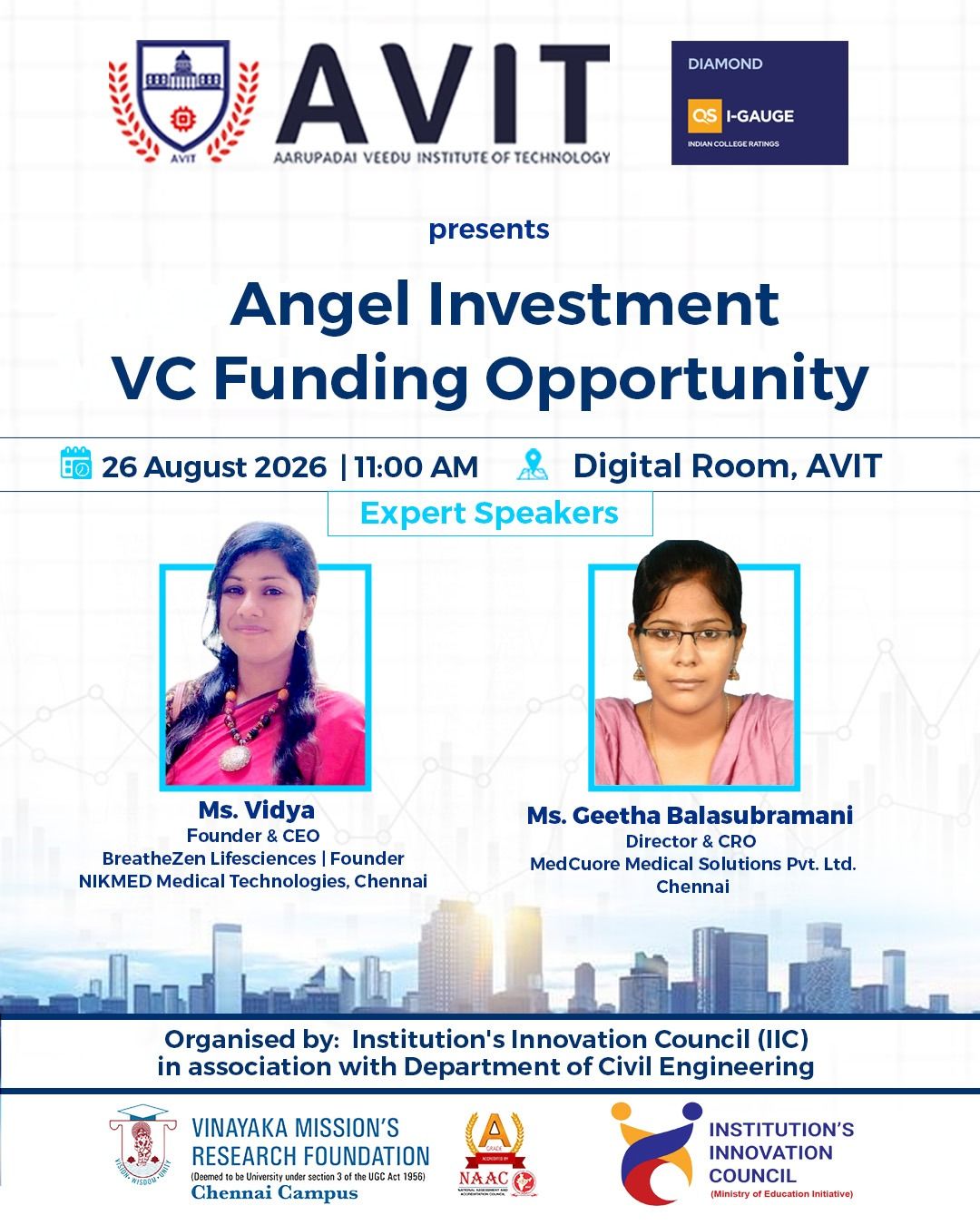
Angel Investment VC Funding Opportunity
26th August 2026
Aug
20
Report on Breast Feeding Awareness Camp 2026 - 20th August 2026
 Vinayaka Nagar, Rajiv Gandhi Salai
Aug
15
Report on 80th Independence Day Celebrations - 15th August 2026
Vinayaka Nagar, Rajiv Gandhi Salai
Aug
13
Report on SIP Heritage Walk - 13th August 2026
Indoor Auditorium, AVIT
Aug
13
Report on One-Day Workshop on “Cybersecurity Unlocked: From Theory to Tools” - 13th August 2026
NEC Lab
Aug
13
Report on Har Ghar Tiranga 2026 Rally Held at Mamallapuram - 13th August 2026
Vinayaka Nagar, Rajiv Gandhi Salai
Aug
12
Report on SIP Thriving in the Era of Algorithmic Change - 12th August 2026
Indoor Auditorium, AVIT
Aug
12
Report on TNSACS -State Level Quiz Competition 2026 - 12th August 2026
Vinayaka Nagar, Rajiv Gandhi Salai
Aug
11
Report on SIP How to Build a Successful Career - 11th August 2026
Indoor Auditorium, AVIT
FREQUENTLY ASKED QUESTIONS
Have Questions? We Have Answers.
AVIT Biomedical Engineering combines industry-aligned curriculum, future-focused specializations in medical devices, medical imaging, and medical robotics, advanced laboratories, hospital training, internships, certifications, research opportunities, and strong placement support to prepare students for successful engineering careers.
Students can pursue focus areas in Medical Devices & Instrumentation, Medical Imaging, Biomechanics, Biomaterials, Medical Robotics, Bio-MEMS, Sensor-based Diagnostics, Rehabilitation Engineering, Healthcare IoT, and Bioinformatics, aligned with emerging industry demands.
Students benefit from collaborations with leading hospitals, medical device industries, and medtech partners such as AMTZ, along with industry certifications, internships, clinical hospital training, industry projects, expert talks, and hands-on learning experiences.
Graduates can pursue careers as Biomedical Engineers, Clinical Engineers, Medical Device Design Engineers, Biomedical Equipment Technologists, Healthcare Technology Managers, R&D Engineers (Medical Devices), Quality/Regulatory Affairs Engineers, Rehabilitation Engineers, Application Specialists, Researchers, and Entrepreneurs.
Yes. Students actively participate in internships, hospital training, national and international hackathons, technical competitions, research projects, patent development, innovation challenges, and startup incubation programs.
The department provides access to the Medical Instrumentation Lab, Biomedical Signal Processing Lab, Medical Imaging Lab, Biomaterials Lab, Rehabilitation Engineering Lab, Biosensors Lab, Bio-MEMS Lab, and clinical hospital training facilities.
The department combines academic excellence with hands-on hospital training, providing students real-world clinical exposure to medical equipment, diagnostics, and healthcare technology alongside industry-grade laboratory experience.
AVIT offers placement training, aptitude preparation, technical practice, mock interviews, industry mentoring, internships, and recruitment opportunities with leading core, product, and service-based companies.
Absolutely. The programme prepares students for higher education, research careers, postgraduate studies such as M.E. Biomedical Engineering, and doctoral programmes in India and abroad.
Students can apply through the AVIT admissions portal or contact the admissions office for guidance on eligibility, application procedures, scholarships, and programme selection.
ADMISSIONS OPEN
Your Future Begins at AVIT College
Innovative programs, expert faculty, and industry connections to guide your success.